- By isaack
- Uncategorized
- 0 Comment
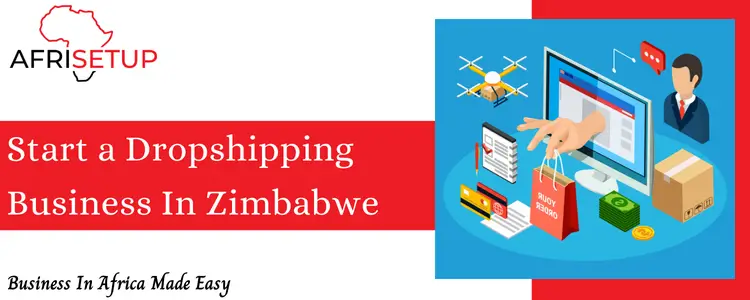
To start a dropshipping business in Zimbabwe has never been more accessible, as many entrepreneurs are embracing it as a low-risk way to earn online. With increasing internet penetration, widespread mobile money adoption, and access to global suppliers, e-commerce is becoming a viable and profitable business model.
This guide explains everything you need to know about building a successful dropshipping business in Zimbabwe, including how it works, the tools you need, legal considerations, and strategies to grow sales.
What Is Dropshipping?
Dropshipping is an e-commerce business model in which you sell products online, while your supplier handles fulfillment and shipping. You only purchase stock after a customer places an order, making it a low-risk, cost-effective business model.
Key Benefits of a Dropshipping Business in Zimbabwe
Starting one comes with several advantages:
– No need for warehousing or inventory – your supplier handles storage and shipping.
– Low startup capital – much less than traditional retail businesses.
– Sell locally and globally – reach customers across Zimbabwe and beyond.
– Flexible work model – ideal for students, freelancers, or side hustlers.
– Access to thousands of products and suppliers – choose what fits your niche.
With Zimbabwe’s growing internet access and mobile payment systems, dropshipping is becoming increasingly viable for new entrepreneurs. Start a dropshipping business in Zimbabwe to enjoy the advantages above.
Is Dropshipping Legal in Zimbabwe?
Yes, dropshipping in Zimbabwe is legal. However, depending on your scale, you may need:
– A registered business name
– A ZIMRA tax registration
– Compliance with customs and import regulations
For small starters, many begin informally and formalize as revenue grows. Afrisetup can assist with registering a business in Zimbabwe and ensure compliance, making the process faster and less stressful.
13-Step Guide on How to Start a Dropshipping Business in Zimbabwe
Starting a dropshipping business in Zimbabwe requires careful planning, reliable suppliers, and compliance with local business regulations. The steps below outline how to set up, launch, and grow a sustainable dropshipping business while minimizing risk and upfront costs.
Step 1: Choose a Profitable Niche
Success starts with selecting the right niche. Focus on high-demand, low-competition products such as fashion accessories and clothing, beauty and skincare products, phone accessories and electronics, home décor and kitchen items, and fitness and wellness products. Use basic market research, competitor analysis, and audience trends to validate demand, especially within the Zimbabwean market.
Step 2: Understand How Dropshipping Works in Zimbabwe
Zimbabwe has unique challenges, including longer delivery times, customs duties, currency fluctuations, and payment limitations. Research ZIMRA import rules, prohibited items, and shipping timelines.
Be aware that platforms like PayPal may have limited support—explore mobile money (EcoCash), cryptocurrency, or fintech alternatives. Understanding these realities helps you avoid common beginner mistakes and set realistic expectations for customers.
Step 3: Choose a Reliable Dropshipping Supplier
Selecting the right supplier is a critical step. Compare several providers instead of committing to the first option. Review pricing, shipping policies, and service terms carefully, and look out for hidden costs such as customs fees or handling charges. A reliable supplier should offer consistent delivery, professional packaging, and responsive support.
Step 4: Start with Local and Regional Suppliers First
Dropshipping does not always require overseas suppliers. Local manufacturers and regional suppliers often provide faster delivery, lower costs, and easier communication. After exploring Zimbabwean suppliers, consider neighbouring countries such as South Africa before expanding to global suppliers. Keeping your suppliers closer helps shorten the supply chain, improve customer satisfaction, and protecting your profit margins.
Step 5: Test Your Dropshipping Business Before Launching Fully
Before you start a dropshipping business in Zimbabwe, place sample orders to evaluate delivery speed, packaging quality, and total costs. Testing allows you to identify issues early, adjust processes, and reduce risk before customers begin placing orders. This step reduces risk and helps ensure that your business operations flow smoothly from the beginning.
Step 6: Build a Simple and Professional Online Store
Create an online store that is clean, easy to navigate, and mobile-friendly. Choose a platform such as Shopify or WooCommerce and ensure your website loads quickly and works well on mobile devices. Write clear product descriptions, show accurate prices, and provide a smooth checkout process. A professional store builds trust and encourages repeat purchases.
Step 7: Price Your Products Correctly for the Zimbabwean Market
Balance costs, shipping fees, import duties, and payment processing charges while keeping products affordable. Consider offering tiered shipping options (express, standard, economy) or all-inclusive pricing (DDP) to simplify customs fees. Transparent pricing reduces disputes and cart abandonment.
Step 8: Set Up Suitable Payment Methods
Offer payment options your customers trust. Combine local and international methods, such as mobile money (EcoCash), bank transfers, and credit/debit cards. Many suppliers require USD payments, so a foreign currency account linked to Visa or MasterCard is essential.
Step 9: Register and Comply With Business Requirements
While dropshipping offers flexibility, it is still essential to operate your business in compliance with the law. Registering a business name, maintaining basic tax compliance, and keeping clear financial records help position your business for long-term success. Even small steps toward formalization can significantly improve your credibility.
Step 10: Focus on Delivery and Customer Experience
Customers will interact directly with you, not your supplier. This means you are responsible for managing delivery expectations, handling delays, and ensuring a smooth service experience. Clearly communicate estimated delivery times, potential customs fees, and return policies to build trust and reduce disputes.
Solutions for reliable delivery:
> Partner with South African fulfillment centers for faster regional shipping.
> Use international courier services like DHL or FedEx for tracked, reliable deliveries.
> Work with local last-mile delivery partners to ensure timely delivery within Zimbabwe, especially outside major cities.
Optional Pro Tip: If you manage some deliveries yourself, consider vehicles, trained drivers, insurance, delivery management tech, and a small home workspace for order handling and communication. These measures can improve reliability and customer satisfaction.
Step 11: Market Your Dropshipping Store Consistently
Promote consistently using local and digital channels. Leverage Facebook, Instagram, TikTok, and WhatsApp for marketing and customer service. Use SEO, content marketing, and influencer partnerships to attract targeted traffic. Plan promotions around local holidays and events to ensure your store reaches the right audience and generates steady sales.
Step 12: Scale Gradually and Improve Continuously
Once your business is running smoothly, you can begin scaling gradually. Add new products, improve marketing efforts, and refine your supplier relationships. Avoid growing too fast without proper systems in place. Continuous improvement and careful expansion help ensure long-term success rather than short-term gains.
Step 13: Stay Up-to-Date with Industry Trends
The e-commerce industry evolves quickly, and staying aware of trends can help you attract more customers and outperform competitors. Follow market shifts, popular products, and consumer behavior to stay one step ahead and maximize retention.
Startup Cost Breakdown for Dropshipping in Zimbabwe
Many beginners can start a dropshipping business in Zimbabwe with under $400 USD, depending on marketing spend and setup choices. Here is an estimated cost breakdown to help you plan your budget clearly:
1. Online Store Platform: An eCommerce platform like Shopify costs about $29 USD per month. Free platforms exist, but paid options are easier for beginners and more reliable.
2. Domain Name: A custom domain name typically costs $10–$15 USD per year.
3. Apps, Tools, and Website Setup: Basic apps or tools may cost $0–$20 USD at the start. If you choose a custom-built website instead of a standard platform, costs can range from $300–$500 USD.
4. Product Samples (Optional but Recommended): Ordering samples to test product quality and delivery times usually costs $50–$100 USD, including shipping.
5. Marketing and Advertising: Most beginners spend $100–$300 USD testing ads on Facebook, Instagram, or Google. Free options like WhatsApp groups, TikTok, and organic social media can also be used, but growth is slower.
Tips for Success in a Dropshipping Business in Zimbabwe
Running a successful dropshipping business in Zimbabwe requires more than just listing products online. Here is how to succeed:
a. Focus on one niche: Start with a targeted product line to build credibility and trust.
b. Test products before scaling: Try a few products and suppliers first to minimize risk.
c. Provide excellent customer service: Respond promptly, manage expectations, and resolve issues efficiently.
d. Use local branding where possible: Incorporate Zimbabwean culture, holidays, and local languages.
e. Transparent communication: Clearly disclose customs fees, delivery times, and return policies.
f. Leverage social media: Use WhatsApp, Facebook, and Instagram for marketing and customer support.
g. Monitor regulatory changes: Stay updated on ZIMRA policies, import rules, and currency regulations.
h. Reinvest profits: Use earnings to improve marketing, expand your store, and scale sustainably.
Start a Dropshipping Business in Zimbabwe with Afrisetup today.
Conclusion
Is dropshipping viable in Zimbabwe? Yes, but it requires planning, consistency, and a clear understanding of the local market. With low startup costs, no need for inventory, and the flexibility to operate online and scale over time, the model offers real opportunities as e-commerce continues to grow.
If you’re ready to start a dropshipping business in Zimbabwe, Afrisetup can help you get set up correctly so you can focus on building and growing your business with confidence. Contact us today!